
The Search for a Prevention
The Deer KingHohsalle and his collaborators move from treating individual patients toward the longer project of reducing exposure and building resistance across communities.
increasing Bearing strength in each event
 decreasing
Bearing strength in each eventdecreasingContainment at the Mine
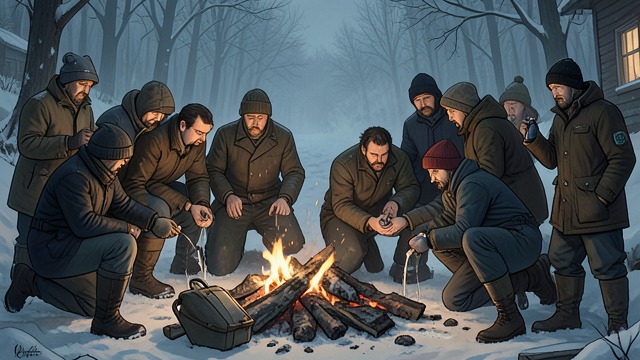
Stopping Immediate Spread
Isolation and hygiene
Hohsalle orders people who approached the bodies to wash and change, while officials burn remains and spray for insects. Cold weather gives the response a narrow advantage.
A provisional model
He suspects the illness is carried by bites rather than readily spreading person to person. The measures are precautions grounded in incomplete evidence, not a final explanation.
Three Medical Paths
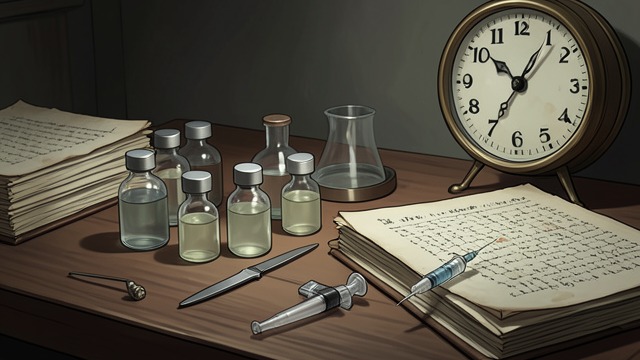
Research Beyond the Corpses
Prevention and treatment
The team seeks a weakened agent to build resistance, substances that suppress the disease, and serum derived from patients’ responses. Each method addresses a different part of the problem.
Slow work under urgency
The candidates have been tested on animals, not people. The outbreak forces researchers to accelerate while preserving the caution demanded by treatments that can cause harm.
A Province-Wide Survey
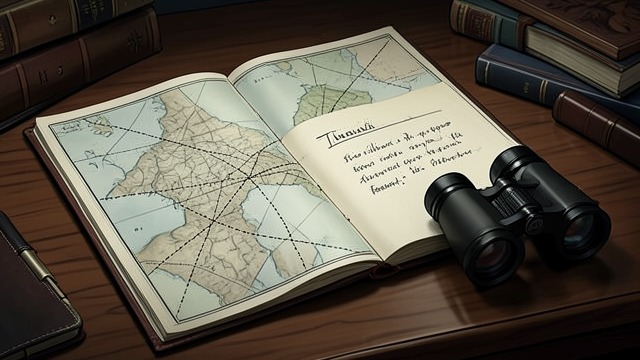
Prevention Needs a Map
Finding vulnerable groups
Hohsalle asks for information about nomads and frontier immigrants, hoping to learn why some people resist the disease. Yotalu’s tax system can help gather records from remote settlements.
From treatment to policy
If patterns of diet, migration, or exposure matter, prevention must reach beyond the clinic. Medical research becomes dependent on administration and cooperation across a politically divided province.
After the first outbreak
At the clinic after the mine disaster
After the royal hunt outbreak
